
King Rabbit Snail (Cerithidea sp.)
Cerithidea King Rabbit Snail (Cerithidea sp.) – Semi-Aquatic Brackish Snail
⚠️ Important Legal Note: All aquatic invertebrates are prohibited to possess in any form or sell in the state of Maine. Please check your local regulations before purchasing. We are unable to ship livestock from this listing to Maine. If you reside in Maine and try to checkout with this in your cart you will be unable to checkout and receive an error message until it is removed from the cart.
For the safety of our animals, this species will only ship with UPS Next Day Air. If your order contains this item, you will only see UPS Next Day Air as a shipping option during checkout.
Description
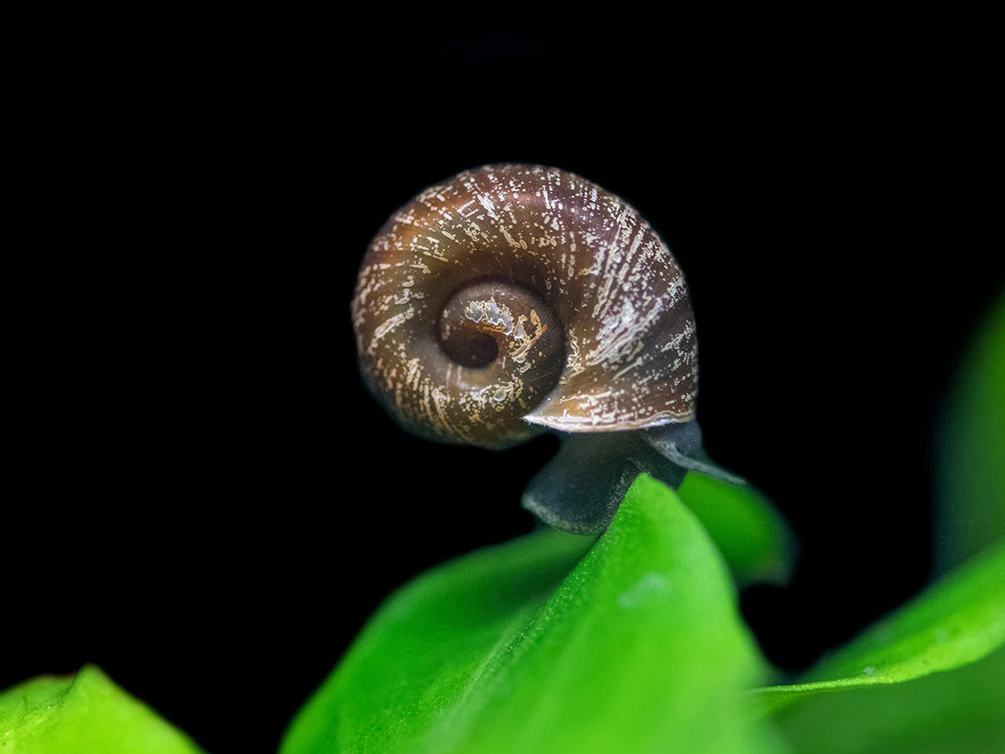
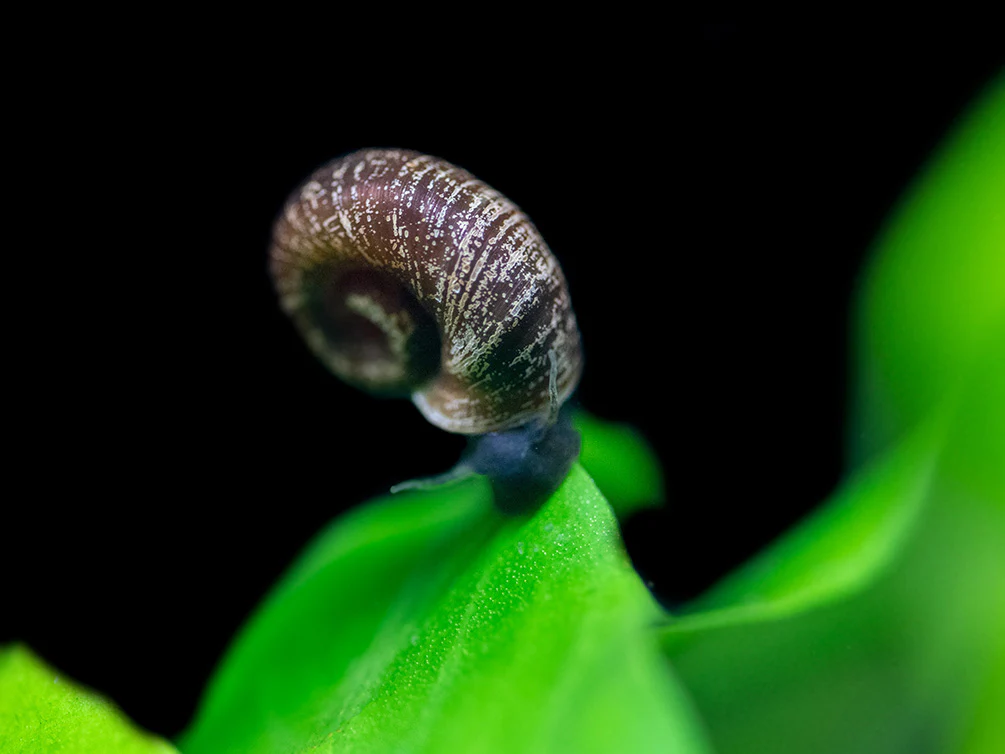
The Cerithidea King Rabbit Snail is a fascinating semi-aquatic invertebrate with striking, elongated spiral shells and curious behavior that sets it apart from fully aquatic snails. Unlike traditional freshwater rabbit snails (Tylomelania), these rare brackish snails naturally inhabit mangrove and tidal mudflat environments, where they spend part of their time submerged and part of their time above water. Their earthy shell tones—ranging from tan to chocolate brown with a smooth to slightly ridged texture—give them a rugged, prehistoric charm.
Highly sought-after by advanced aquarists and brackish enthusiasts, Cerithidea King Rabbit Snails are excellent for unique paludarium, vivarium, or shoreline-style aquarium setups.
They are natural climbers and will scale glass, décor, and even out of the tank entirely, so a secure, tight-fitting lid is required to keep them safely contained.
What We Love About This Snail:
-
Unique Habitat Needs: Semi-aquatic lifestyle adds a new dimension to brackish aquariums and paludariums.
-
Hardy and Long-Lived: Adaptable to a range of brackish salinities when properly acclimated.
-
Natural Behavior: Burrows into mud or sand, climbs surfaces, and forages along shorelines.
-
Rare in the Hobby: An uncommon invertebrate sure to draw attention from other aquarists.
Natural Habitat:
Cerithidea snails are native to mangrove forests, estuaries, and tidal flats in Southeast Asia and the Indo-Pacific. These environments have slow-moving, brackish water with both submerged and exposed surfaces, offering them a safe place to graze and burrow.
Aquascaping Recommendations:
-
Substrate: Fine sand or mud for burrowing.
-
Hardscape: Driftwood, mangrove roots, and smooth stones that create both submerged and exposed resting areas.
-
Plants: Mangroves, salt-tolerant grasses, or emersed plants that thrive in brackish conditions.
-
Botanicals: Indian Almond Leaves, mangrove leaves, and alder cones to enrich habitat and encourage biofilm growth.
Diet and Feeding:
These snails are detritivores and algae grazers, feeding on biofilm, decaying plant matter, and organic debris. Supplement with sinking algae wafers, blanched vegetables (such as zucchini or spinach), and brackish-safe prepared foods.
Tank Mates and Compatibility:
-
Peaceful with other non-predatory brackish tank mates, including mollies, bumblebee gobies, and some small puffers (with caution).
-
Avoid housing with aggressive crustaceans, large fish, or snail-eating species.
Breeding:
Breeding in captivity is challenging due to their tidal breeding cycle and specific larval development needs. Eggs are often laid above the waterline and hatch into planktonic larvae that require full marine conditions to mature.
Recommended Tank Parameters:
-
Temperature: 75° – 82° F (24° – 28° C)
-
pH: 7.5 – 8.5
-
Salinity: SG 1.005 – 1.015 (low- to mid-brackish)
-
Minimum Tank Size: 10 gallons with land/water interface
-
Lid: Secure, tight-fitting lid required to prevent escape
Care Guidelines:
-
Diet: Omnivorous grazer; supplement with algae wafers, blanched vegetables, and biofilm.
-
Social Behavior: Peaceful, best in small groups or as singles in community setups.
-
Origin: Wild-collected.
-
Average Adult Size: 2 – 3 inches (5 – 7.5 cm)
-
Average Purchase Size: 1.5 – 2 inches (3.8 – 5 cm)
Live Arrival Guarantee:
All Aquatic Arts brand animals come with a 100% live arrival guarantee, plus free email support!
Product Information
Product Information
Shipping & Returns
Shipping & Returns
Description
Cerithidea King Rabbit Snail (Cerithidea sp.) – Semi-Aquatic Brackish Snail
⚠️ Important Legal Note: All aquatic invertebrates are prohibited to possess in any form or sell in the state of Maine. Please check your local regulations before purchasing. We are unable to ship livestock from this listing to Maine. If you reside in Maine and try to checkout with this in your cart you will be unable to checkout and receive an error message until it is removed from the cart.
For the safety of our animals, this species will only ship with UPS Next Day Air. If your order contains this item, you will only see UPS Next Day Air as a shipping option during checkout.
Description
The Cerithidea King Rabbit Snail is a fascinating semi-aquatic invertebrate with striking, elongated spiral shells and curious behavior that sets it apart from fully aquatic snails. Unlike traditional freshwater rabbit snails (Tylomelania), these rare brackish snails naturally inhabit mangrove and tidal mudflat environments, where they spend part of their time submerged and part of their time above water. Their earthy shell tones—ranging from tan to chocolate brown with a smooth to slightly ridged texture—give them a rugged, prehistoric charm.
Highly sought-after by advanced aquarists and brackish enthusiasts, Cerithidea King Rabbit Snails are excellent for unique paludarium, vivarium, or shoreline-style aquarium setups.
They are natural climbers and will scale glass, décor, and even out of the tank entirely, so a secure, tight-fitting lid is required to keep them safely contained.
What We Love About This Snail:
-
Unique Habitat Needs: Semi-aquatic lifestyle adds a new dimension to brackish aquariums and paludariums.
-
Hardy and Long-Lived: Adaptable to a range of brackish salinities when properly acclimated.
-
Natural Behavior: Burrows into mud or sand, climbs surfaces, and forages along shorelines.
-
Rare in the Hobby: An uncommon invertebrate sure to draw attention from other aquarists.
Natural Habitat:
Cerithidea snails are native to mangrove forests, estuaries, and tidal flats in Southeast Asia and the Indo-Pacific. These environments have slow-moving, brackish water with both submerged and exposed surfaces, offering them a safe place to graze and burrow.
Aquascaping Recommendations:
-
Substrate: Fine sand or mud for burrowing.
-
Hardscape: Driftwood, mangrove roots, and smooth stones that create both submerged and exposed resting areas.
-
Plants: Mangroves, salt-tolerant grasses, or emersed plants that thrive in brackish conditions.
-
Botanicals: Indian Almond Leaves, mangrove leaves, and alder cones to enrich habitat and encourage biofilm growth.
Diet and Feeding:
These snails are detritivores and algae grazers, feeding on biofilm, decaying plant matter, and organic debris. Supplement with sinking algae wafers, blanched vegetables (such as zucchini or spinach), and brackish-safe prepared foods.
Tank Mates and Compatibility:
-
Peaceful with other non-predatory brackish tank mates, including mollies, bumblebee gobies, and some small puffers (with caution).
-
Avoid housing with aggressive crustaceans, large fish, or snail-eating species.
Breeding:
Breeding in captivity is challenging due to their tidal breeding cycle and specific larval development needs. Eggs are often laid above the waterline and hatch into planktonic larvae that require full marine conditions to mature.
Recommended Tank Parameters:
-
Temperature: 75° – 82° F (24° – 28° C)
-
pH: 7.5 – 8.5
-
Salinity: SG 1.005 – 1.015 (low- to mid-brackish)
-
Minimum Tank Size: 10 gallons with land/water interface
-
Lid: Secure, tight-fitting lid required to prevent escape
Care Guidelines:
-
Diet: Omnivorous grazer; supplement with algae wafers, blanched vegetables, and biofilm.
-
Social Behavior: Peaceful, best in small groups or as singles in community setups.
-
Origin: Wild-collected.
-
Average Adult Size: 2 – 3 inches (5 – 7.5 cm)
-
Average Purchase Size: 1.5 – 2 inches (3.8 – 5 cm)
Live Arrival Guarantee:
All Aquatic Arts brand animals come with a 100% live arrival guarantee, plus free email support!